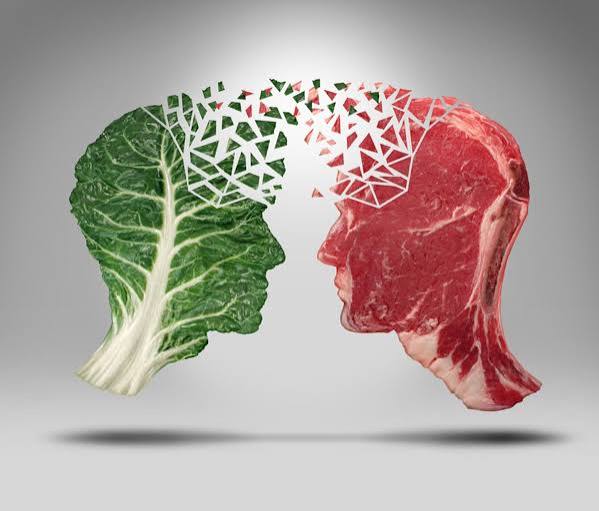

About 10 years ago I decided to clean up my diet. It wasn’t terrible, I was not overweight and stayed away from fast food, but I had a sweet tooth and ate quite a bit of processed foods. I read about plant based diets and they sounded really good.
Plant based / vegan diets are high in dietary fiber, vitamins, minerals and antioxidants. High meat intake is associated with excess cholesterol, saturated fat and increased risk of cardiovascular diseases. The unethical (and often abusive) treatment of farm animals and the environmental impact of animal farming were also important considerations for me.
I wrote: Plant Based Whole Food Diet and Vegan Myths and Misconceptions
Those on plant based / vegan diets are usually fit and healthy. I watched many presentations given by experts, doctors and cardiologists about the diet’s impressive benefits. (patients have reversed arterial plaque with plant based diets) Then I saw a video about 4 legged chickens found at a chicken farm. The thought of eating the meat of an animal that was subjected to such genetic manipulation was the last straw for me.

While I maintained good health during the past decade, I was never able to go completely plant based – I called my diet: The 98% Diet – Healthy and Fulfilling. The 2% meant that I occasionally at some honey, or a cheese croissant.
The reason why I gave up plant based are:
1nsufficient protein
It is possible to get enough protein from a plant based diet. There are a number of plants with high protein content, soy has 24 grams per ounce. Legumes on 8 grams per 100 gram. A bagel has 10 calories and just `one serving of peanut butter 8 grams of protein.
To put it into perspective, the daily recommended protein intake is 0.8 grams per kilogram body weight. That’s about 60 grams of protein for a person, weighing in at 165 pound. That is not difficult to achieve eating plants.
However, for older adults and those doing weight training, (both applies to me) the recommended amount is significantly higher, 1.2-2 grams per kg per day. That is easy to reach consuming animal based foods, but not plants. (a relatively small 4 ounce size chicken breast, or fish contains 30-40 grams of protein)
Complicated recipes
Here is an example:
Plant Based Split Pea Soup
- ▢1 tablespoon olive oil
- ▢1 yellow onion diced
- ▢2 carrots peeled and diced
- ▢2 celery diced
- ▢1 large potato peeled and shredded or diced
- ▢2 garlic cloves minced
- ▢1 teaspoon dried thyme
- ▢¼ teaspoon black pepper
- ▢1 bay leaf
- ▢1 teaspoon liquid smoke
- ▢1 pound (2 cups) green split peas picked over and rinsed well with cold water
- ▢6 cups low sodium vegetable broth
- ▢1 can (14.5 ounces) diced tomatoes optional
- ▢Squeeze of fresh lemon juice
- ▢Salt to taste
- ▢2 tablespoon olive oil
- ▢1 teaspoon smoked paprika
- ▢Pinch cayenne optional
- ▢1 package (7 or 8 ounces) tempeh gluten free, if desired
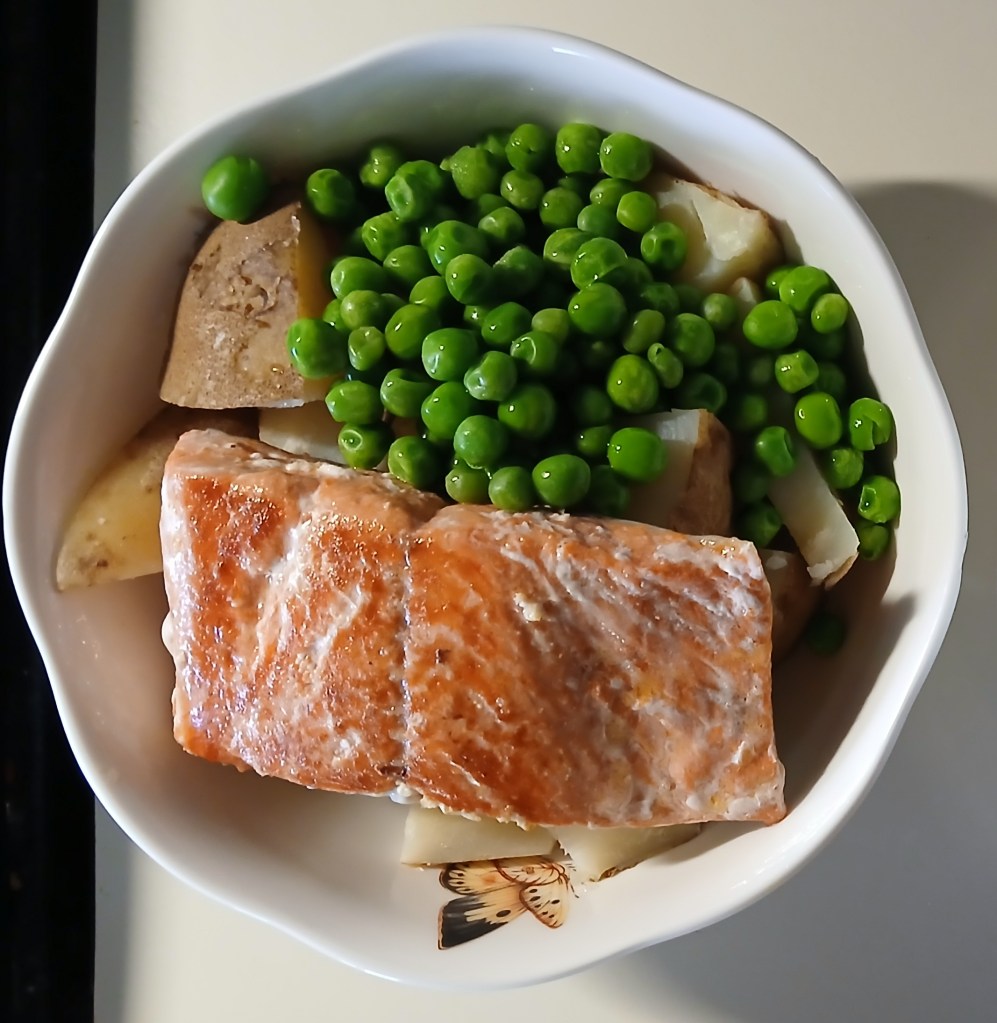
By comparison, this is what I had for lunch:
Potatoes, salmon and vegetables, 3 simple ingredients. Easy to make, delicious, high in protein and nutrients.
On top of complicated recipes, some ingredients are exotic, or hard to find. What on earth is “liquid smoke?” Where can I buy “gochujang paste”?
Expenses
More ingredients also mean higher expenses. Some ingredients are unique to the meal being made, adding to the costs. Many dishes use lots of different vegetables. What’s left over goes in the fridge and often ends up being tossed out.
Compared to animal based foods, as and example, a package of plant based sliced cheese costs $6-8 and contains no protein. A package of real sliced cheese costs as low as $2 and contains 5-7 grams of protein. Huge difference in both protein content and price.
Nutrients
Plant based diets are known to be low on vitamin B12, iron, Omega 3 fatty acids and zinc, vitamin D and calcium. It is possible to take in these nutrients with supplements, but it is much better to get them in the form of whole foods.
Amino acids are the building blocks of proteins. There are 9 essential amino acids. They are called essential because the body can not make them, they have to be taken in with food. Animal based foods have complete amino acid profiles, meaning they contain all essential amino acids. Except for a few, plants don’t have all essential amino acids.
I have noticed that since I started eating meat, I have more energy, I was probably low on some amino acids, or nutrient. The amino acid called Leucine is involved with muscle protein synthesis, it is very important for those who do resistance training, especially for older adults.
My diet is now very similar to the Mediterranean diet, I eat eggs, seafood and occasional chicken. Generally speaking I try to eat as much whole foods and as little processed foods as possible.
As usual, the timeless expression – “Everything in moderation” – applies here. If we consume limited amounts of meat, or other foods that may be harmful in copious amounts, we can receive the benefits from them without a negative impact to our health.
Related: How To Increase Testosterone Naturally ! This Is How I Do Detox

